Autores Proeminentes


Prefácio
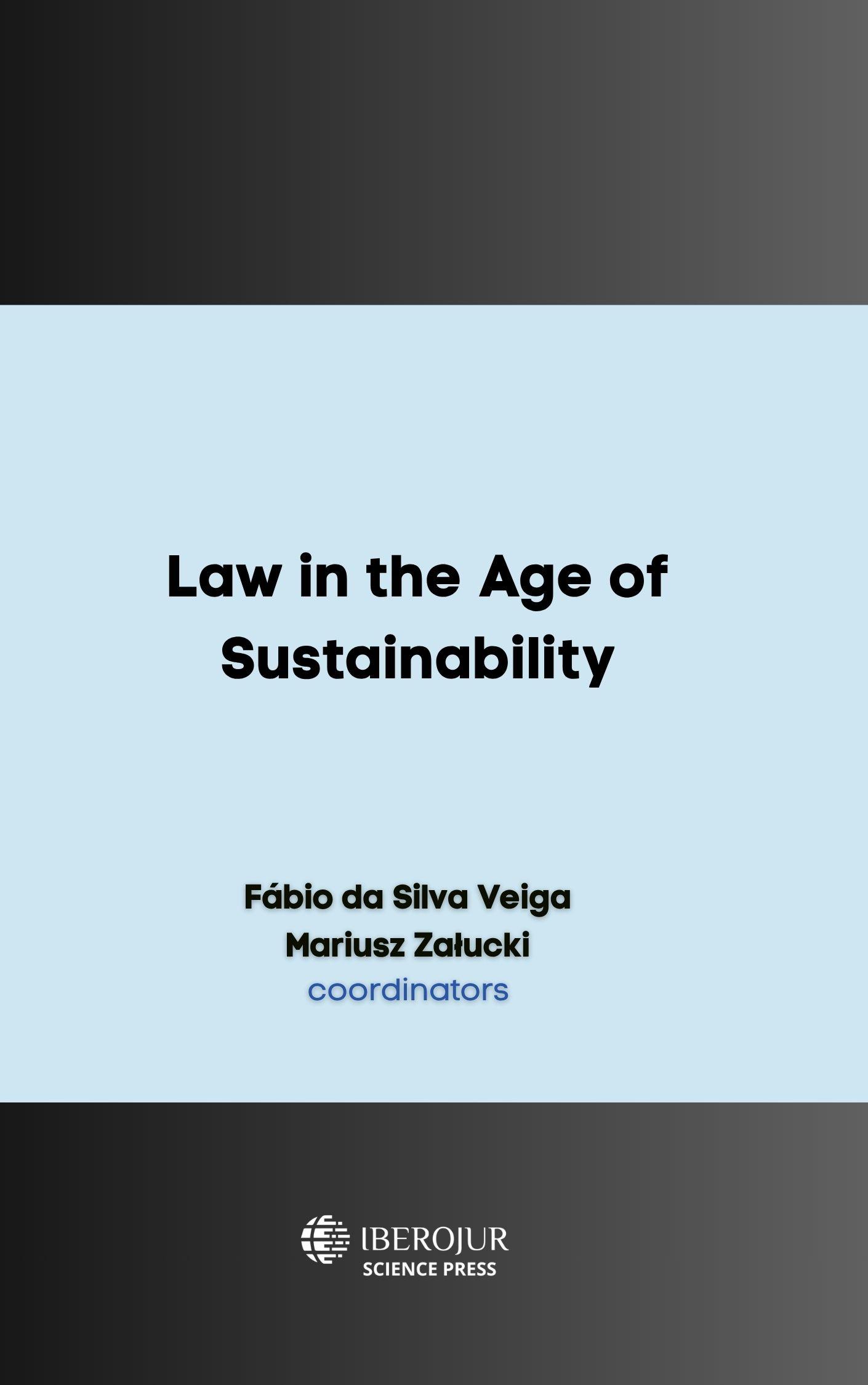
O presente volume reúne as contribuições apresentadas na I International Scientific Conference EcoJustice: Law in the Age of Sustainability, realizada nos dias 19 e 20 de dezembro de 2025, na Ignatianum University, em Kraków, Polônia, em formato híbrido. O evento congregou especialistas de diversas jurisdições, consolidando-se como um espaço de excelência para o debate interdisciplinar sobre o papel do Direito diante dos desafios impostos pela sustentabilidade e pelas transformações tecnológicas contemporâneas.
Sob a coordenação de Mariusz Załucki e Fábio da Silva Veiga, a conferência estruturou-se em sessões plenárias e painéis temáticos que exploraram, de forma crítica e aprofundada, as múltiplas dimensões da ecojustiça. A obra reflete, assim, a riqueza e a diversidade desses debates, abordando questões centrais como mudanças climáticas, proteção ambiental, direitos humanos, regulação da inteligência artificial, governança global e desenvolvimento sustentável.
As sessões plenárias destacaram temas de grande relevância contemporânea, incluindo a responsabilidade por danos ambientais em contextos de conflito armado, as intersecções entre políticas habitacionais e sustentabilidade, e os impactos das reformas financeiras e tecnológicas sobre o meio ambiente. Ademais, os painéis científicos ampliaram o escopo da discussão ao examinar tópicos como due diligence em cadeias produtivas sustentáveis, propriedade intelectual verde, contratação pública ecológica, justiça fiscal, sustentabilidade digital e os desafios jurídicos decorrentes da utilização de inteligência artificial em diferentes esferas sociais.
A coletânea também evidencia a crescente centralidade de temas emergentes, como a litigância climática, o reconhecimento de direitos da natureza, a sustentabilidade orbital, a governança algorítmica e a proteção de grupos vulneráveis no contexto da transformação digital. Ao integrar perspectivas provenientes da Europa, América Latina e outras regiões, o livro reafirma a necessidade de um diálogo jurídico transnacional capaz de responder, de maneira coordenada e eficaz, aos desafios globais da sustentabilidade.
Nesse sentido, a presente obra não apenas sistematiza o estado atual das discussões sobre ecojustiça, mas também propõe reflexões inovadoras acerca da adaptação do Direito às exigências de um mundo em rápida transformação. Trata-se de uma contribuição relevante para o desenvolvimento de uma teoria jurídica comprometida com a sustentabilidade, a equidade intergeracional e a efetivação dos direitos humanos em escala global.
Preface
This volume brings together the contributions presented at the I International Scientific Conference EcoJustice: Law in the Age of Sustainability, held on 19 and 20 December 2025 at Ignatianum University in Kraków, Poland, in a hybrid format. The event gathered experts from various jurisdictions, establishing itself as a distinguished forum for interdisciplinary debate on the role of law in addressing the challenges posed by sustainability and contemporary technological transformations.
Under the coordination of Mariusz Załucki and Fábio da Silva Veiga, the conference was structured around plenary sessions and thematic panels that critically and comprehensively explored the multiple dimensions of eco-justice. The present volume thus reflects the richness and diversity of these discussions, addressing key issues such as climate change, environmental protection, human rights, the regulation of artificial intelligence, global governance, and sustainable development.
The plenary sessions highlighted topics of significant contemporary relevance, including liability for environmental damage in contexts of armed conflict, the intersections between housing policies and sustainability, and the environmental impacts of financial and technological reforms. Furthermore, the scientific panels broadened the scope of discussion by examining subjects such as due diligence in sustainable supply chains, green intellectual property, ecological public procurement, tax justice, digital sustainability, and the legal challenges arising from the use of artificial intelligence across different social spheres.
The collection also underscores the growing centrality of emerging topics, such as climate litigation, the recognition of the rights of nature, orbital sustainability, algorithmic governance, and the protection of vulnerable groups in the context of digital transformation. By integrating perspectives from Europe, Latin America, and other regions, the volume reaffirms the need for a transnational legal dialogue capable of responding in a coordinated and effective manner to the global challenges of sustainability.
In this sense, the present work not only systematizes the current state of discussions on eco-justice, but also advances innovative reflections on the adaptation of law to the demands of a rapidly changing world. It constitutes a meaningful contribution to the development of a legal theory committed to sustainability, intergenerational equity, and the effective protection of human rights on a global scale.

Esta obra está bajo una licencia internacional Creative Commons Atribución-NoComercial-SinDerivadas 4.0.


Autores
Termo de Uso
Política de Privacidade
 O licenciante não pode revogar estes direitos desde que você respeite os termos da licença.